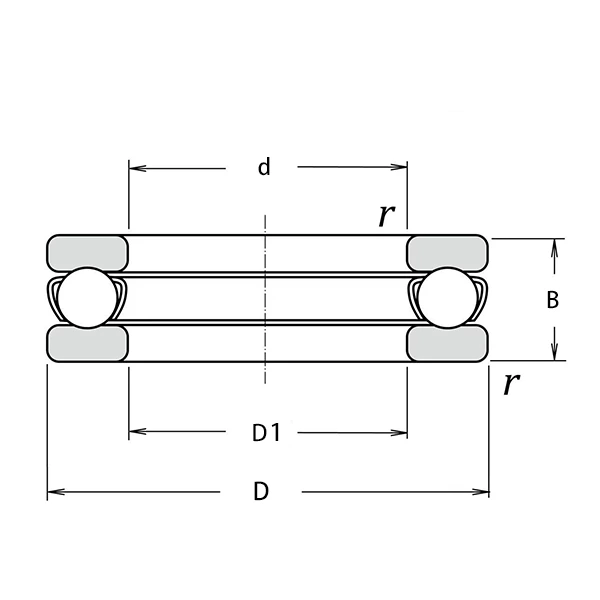
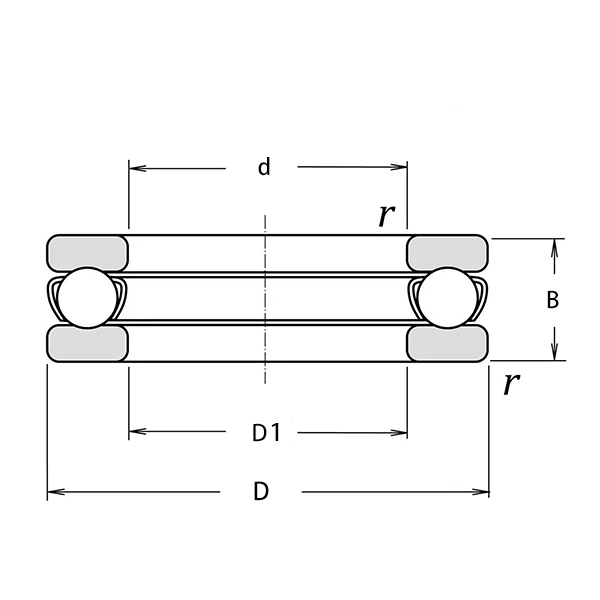
Thrust Ball Bearings
Thrust ball bearings are divided into unidirectional and bidirectional structures, and are only suitable for bearing axial loads. They are mostly used in low-speed vertical equipment and cannot withstand radial loads.
Micro, standard, heavy-duty series thrust ball bearings
Standard models are in stock with quick delivery. We provide OEM and ODM custom development for non-standard bearings.
Technical assistance for bearing selection, replacement, specification review, and custom projects.
Controlled processing, assembly, inspection, and testing throughout production.
Available in different sizes, sealing configurations, clearance, materials, and lubrication options to meet operating requirements.
We control critical manufacturing processes from component preparation to final assembly and inspection to support consistent bearing quality and performance.
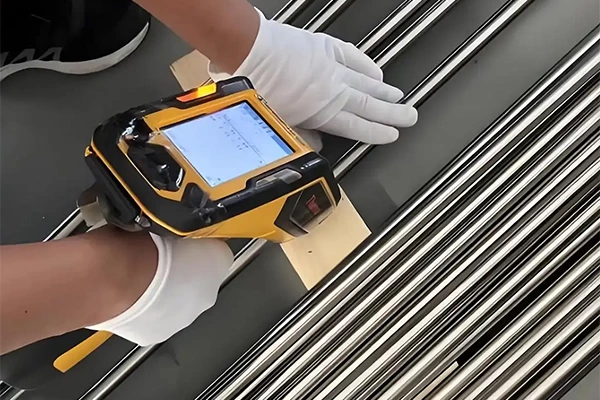
Raw materials are strictly inspected upon incoming to secure product quality.
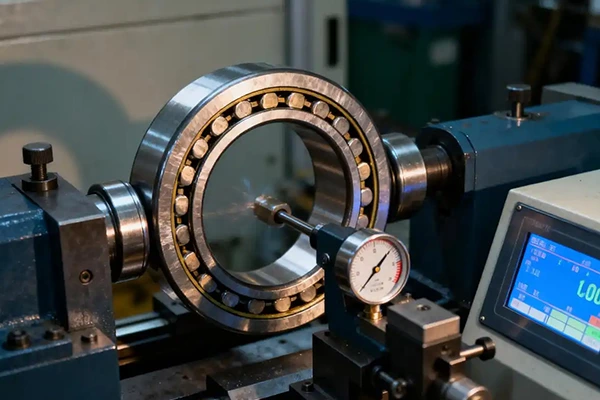
Full dimensional inspection of finished products, strictly controlling geometric tolerances to ensure bearing dimensional accuracy meets design specifications.
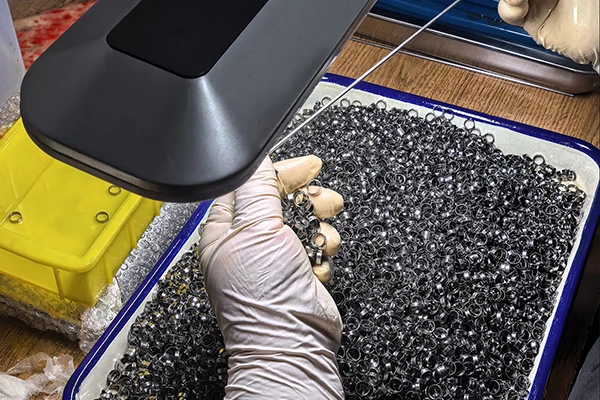
Full visual inspection for all workpieces to eliminate scratches, rust, dents and other surface defects, ensuring intact bearing appearance.
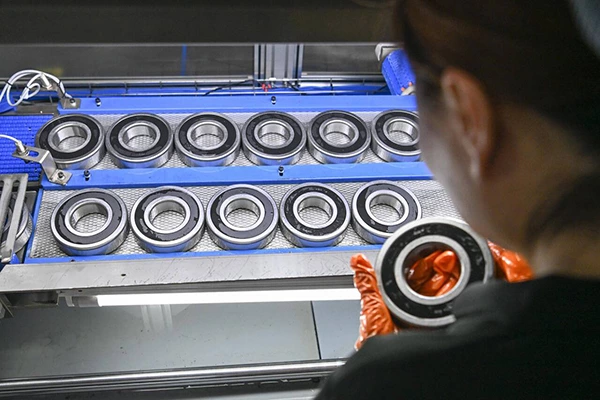
Final full re-inspection before shipment, verifying specifications, packaging and documents to deliver qualified products to customers.
01
02
03
04
05
06
07
08
When standard bearings cannot meet your equipment requirements, our engineering team works with you to develop customized bearing solutions from initial concept and prototype evaluation to production delivery.

We evaluate your application requirements, drawings, samples, and technical specifications to recommend suitable bearing structures and manufacturing solutions.

From initial samples to validation builds, we support prototype development to help verify dimensions, performance, and compatibility before mass production.

We manufacture customized bearings based on specific project requirements, including special dimensions, configurations, materials, and performance requirements.

After approval, customized products can be transferred into stable production with controlled manufacturing processes and inspection procedures to ensure consistent quality.
Specializing in precision bearing manufacturing, we integrate R&D, precision processing, quality inspection, customized production, fast delivery and after-sales support to form a complete one-stop bearing manufacturing system. Equipped with high-precision production and testing equipment, our modern workshop realizes full in-house control from raw material processing and precision machining to finished product inspection and packaging. We provide standard bearing mass production and non-standard customization services, adapting to various working conditions for machinery, automation, new energy, medical and engineering industries. With one-on-one full-process service, we deliver stable, efficient and reliable one-stop bearing solutions for global customers.
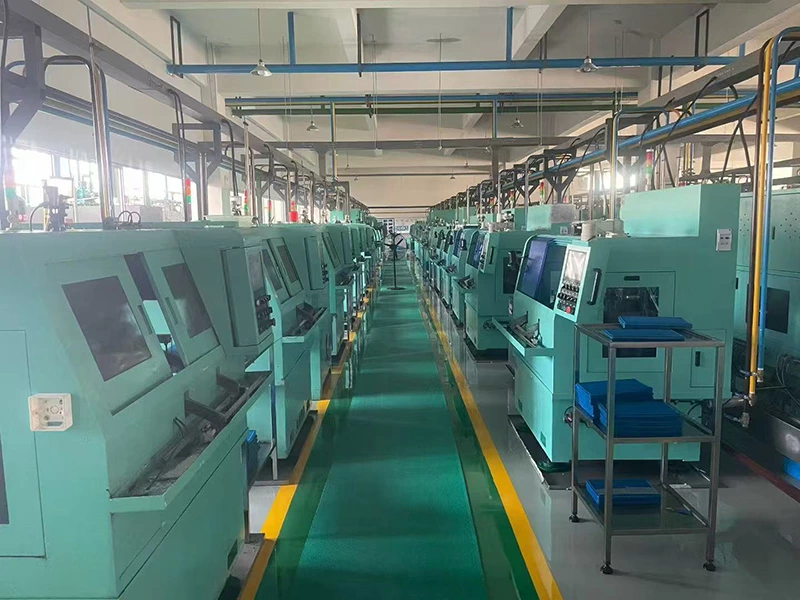
Select bearings according to shaft and housing dimensions, load and speed, temperature, environment, clearance, sealing, and lubrication.
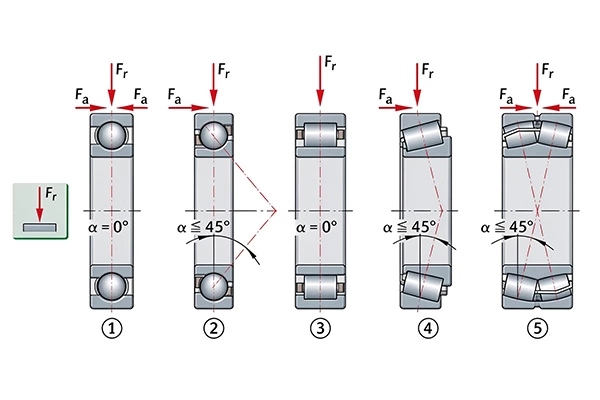
Match suitable bearing structures based on load type, speed, space limitations, accuracy, and environment. Considering radial/axial load-bearing capacity, friction coefficient, allowable temperature rise, and sealing method, we can help you narrow down the selection range.
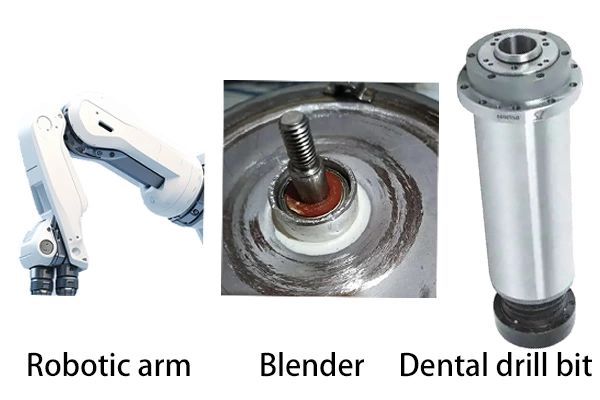
Adapt to equipment from multiple industries, ranging from precision automation, robotics, medical instruments to conveying and packaging machinery. Provide supporting bearing solutions for special needs such as cleanliness, high speed, and corrosion prevention in different industries
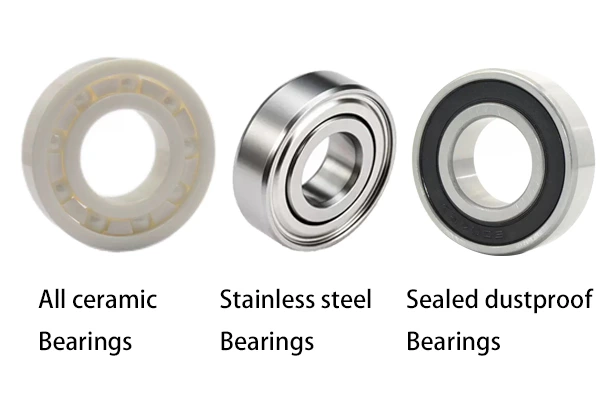
Targeting harsh working conditions such as corrosive environments, high-speed operation, dust and water resistance, and high and low temperatures. Provide selection of stainless steel, ceramic, sealed, and maintenance free bearings。
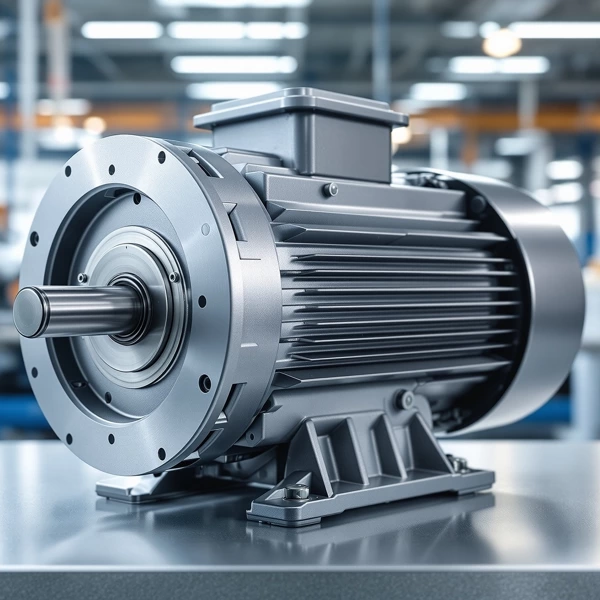
Rotating shafts in motors, fans, and generators.
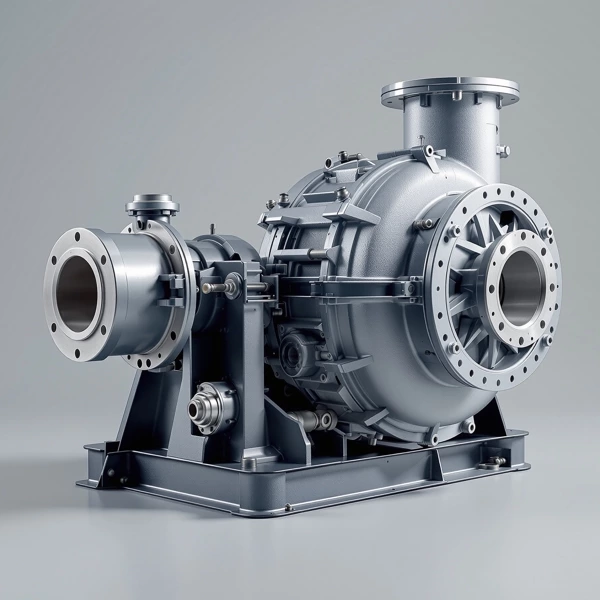
Reliable radial support and continuous operation.
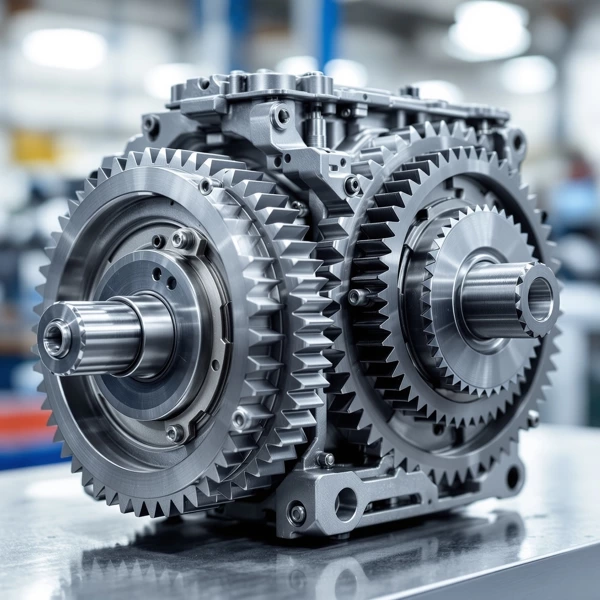
Transmission components in power systems.

Compact mechanisms and high-speed motion.
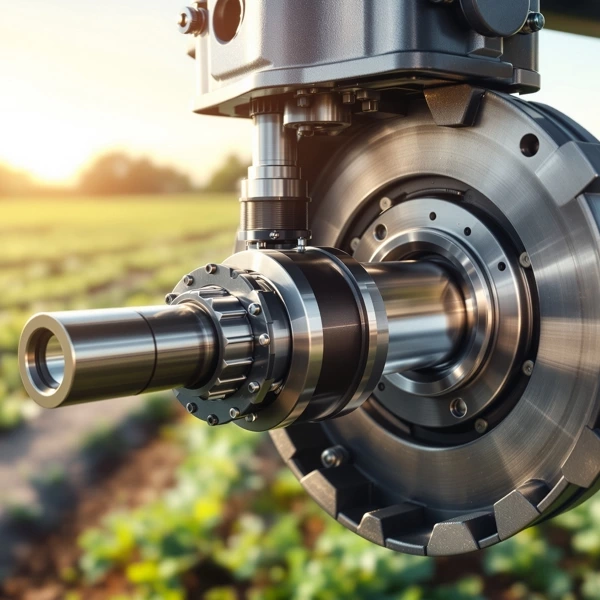
Rotating assemblies under demanding conditions.
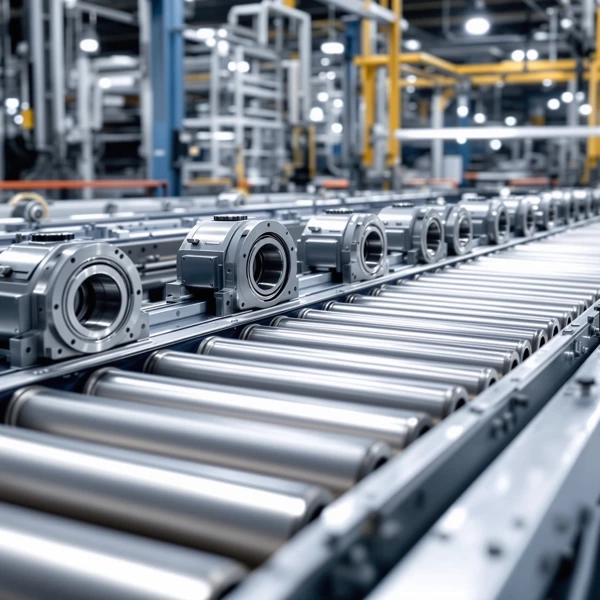
Fans, compressors, conveyors, and machinery.
Share your Thrust Ball Bearings number, dimensions, drawing, sample, or application requirements. Our engineering team will help review your information and identify a suitable solution.
Single direction thrust ball bearing withstands axial load from one side only, for unidirectional thrust. Double direction type can bear axial force in both directions, suitable for shafts with bidirectional axial positioning. Neither can support radial loads.
Grease lubrication is common for low/medium speed applications. Oil lubrication can be used for higher temperature. Ensure sufficient and clean lubricant. Avoid insufficient lubrication which will cause heat buildup.
Yes. Custom cage material (steel / brass), special heat treatment, non-standard size, corrosion-resistant material. Test samples can be provided.
Low speed vertical shafts, crane hooks, jacks, machine tool spindles, automotive steering parts, heavy fixtures, rotary tables.
We use cookies to collect information about how you use this site. We use this information to make the website work as well as possible and improve our services.more details